
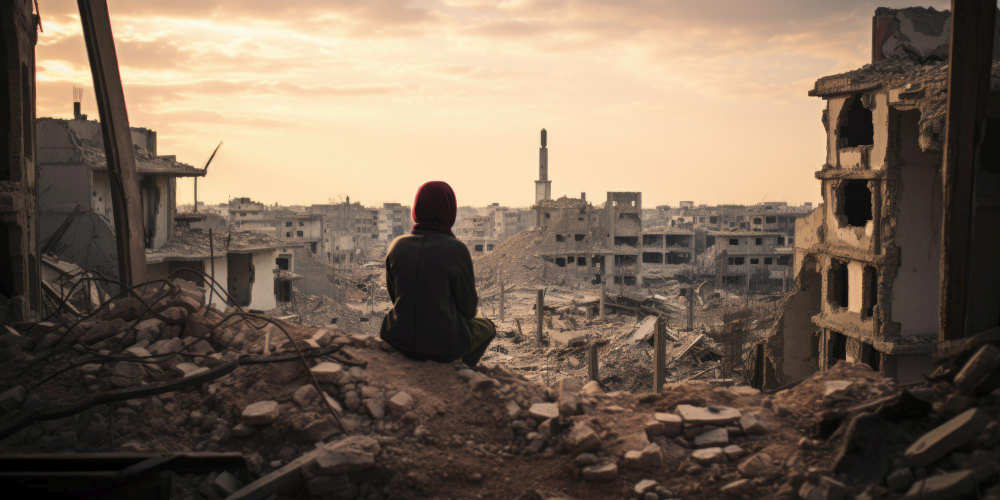
If you’ve been following the headlines, you’ve probably seen words like “genocide” and “collective punishment” tossed around when people talk about Gaza. But what’s actually happening, and why are so many international organizations using such heavy language to describe it? Let’s break down the facts, sift through the legal definitions, and look at the human stories behind the headlines—because understanding this crisis isn’t just about being informed. It’s about knowing where you stand when history is written.
Why Are People Calling What’s Happening in Gaza “Genocide”?
Since late 2023, the situation in Gaza has exploded into a full-blown humanitarian catastrophe. International human rights groups—from Amnesty International to Human Rights Watch—are increasingly labeling the Israeli military campaign in Gaza as genocide against the Palestinian people. This isn’t just rhetorical. These organizations point to a deliberate pattern: mass killings, forced displacement, and the use of starvation as a weapon of war.
But hang on—what does “genocide” actually mean in the eyes of the law? According to the 1948 Genocide Convention, genocide is any act intended to destroy, in whole or in part, a national, ethnic, racial, or religious group. That includes killing, causing serious harm, making life unlivable, and blocking births within the group.
Reports from 2024—especially those from Amnesty International and the International Court of Justice—argue that what’s happening in Gaza checks all these boxes. The evidence is piling up, and legal experts are sounding the alarm: we might be witnessing one of the most documented genocides of modern times.
A Quick Look Back: How Did We Get Here?
Let’s rewind a bit. The Israel-Palestine conflict goes back over a century, driven by two groups—Jewish Zionists and Palestinian Arabs—both claiming the same land. The 1917 Balfour Declaration set the stage, promising a Jewish homeland in Palestine but ignoring the rights of Palestinians already living there.
The real shift came in 1948. The new State of Israel was established, and war broke out. Palestinians call this the Nakba—“catastrophe”—because 750,000 people were expelled or fled, hundreds of villages were destroyed, and Gaza became a crowded refuge for the displaced.
Over the decades, things only got worse. The 1967 Six-Day War left Israel occupying Gaza, the West Bank, and East Jerusalem. Waves of refugees, military crackdowns, and endless disputes have defined the region ever since.
Gaza: The “Open-Air Prison”
Fast forward to the 21st century. In 2005, Israel pulled its settlements out of Gaza, but kept a tight grip on its borders and airspace. When Hamas won the 2007 elections, Israel imposed a blockade that’s still in place today. Imagine living in a place where 2.3 million people can’t leave, can’t get enough food or medical supplies, and can’t rebuild after bombings. Human rights groups have long called Gaza the world’s largest open-air prison.
October 7, 2023: The Spark That Lit the Fire
Everything changed on October 7, 2023. Hamas militants launched a deadly attack across southern Israel, killing around 1,200 people and taking over 240 hostages. The attack targeted soldiers, civilians—even a music festival. It was brutal, and it became the justification for an all-out Israeli military response.
Israel’s Response: Unprecedented Destruction
The Israeli government’s reaction was swift and ferocious. Prime Minister Benjamin Netanyahu announced a “complete siege” of Gaza—no electricity, food, water, or fuel allowed in. Airstrikes began pounding neighborhoods, hospitals, and refugee camps. In just the first week, over 6,000 bombs were dropped. Safe zones were bombed, communications were cut, and more than a million Palestinians were told to evacuate—often with nowhere safe to go.
The toll? By the end of the first month, over 10,000 Palestinians were dead, nearly half of them children. Hospitals collapsed, families were wiped out, and the basic infrastructure of life—water, electricity, healthcare—was deliberately targeted.
Genocide: The Legal Case
The December 2024 report from Amnesty International lays it out: Israeli leaders have repeatedly called for Gaza’s destruction, and their military actions match those words. Killing civilians, destroying hospitals, denying food and water, and targeting pregnant women—these aren’t just casualties of war. Legal experts argue they’re acts of genocide, as defined by international law.
The International Court of Justice has also weighed in, ordering Israel to prevent genocidal acts and allow humanitarian aid into Gaza. Their findings: the blockade and military campaign amount to collective punishment and violate the Geneva Conventions.
What Makes the Blockade So Devastating?
The blockade isn’t just about keeping weapons out. It’s about controlling every aspect of life in Gaza:
- Land borders are sealed except for a trickle of humanitarian aid.
- The sea is off-limits, killing fishing and trade.
- Airspace is locked down, so medical evacuations are impossible.
- “Dual-use” goods—like cement, needed to rebuild hospitals—are banned.
International law is clear: collective punishment is illegal. But in Gaza, the blockade has pushed hospitals to the brink, made clean water scarce, and created a breeding ground for disease. The entire civilian population is suffering, not just combatants.
Evidence of War Crimes and Crimes Against Humanity
It isn’t just about bombs. Human rights groups have documented extrajudicial killings—families killed in their homes, children shot in supposed safe zones, medical workers targeted while helping the wounded. There are also reports of torture and abuse of Palestinian detainees, including physical and psychological torture, denial of medical care, and even using detainees as human shields.
International Response: The World Speaks Up
The global reaction has been louder than ever before. Major organizations like Amnesty, Human Rights Watch, and Doctors Without Borders are demanding accountability and urgent intervention. South Africa took Israel to the International Court of Justice, accusing it of violating the Genocide Convention. The UN has launched investigations, and calls for sanctions and arms embargoes are growing.
Life in Gaza Now: A Humanitarian Nightmare
Nearly two million people are trapped with nowhere safe to go. Families are crammed into crowded schools and makeshift camps, constantly under threat from airstrikes. Hospitals are running on fumes, with no electricity or medical supplies. Malnutrition is rampant, diseases are spreading, and desperate doctors are operating without anesthesia.
Water is contaminated, sewage systems are wrecked, and children (who make up nearly half the population) are growing up traumatized by loss and fear.
What Can You Do? Why This Story Matters
The story of Gaza isn’t just another news cycle. It’s a test of our collective conscience. Every day the world stands by, the crisis gets worse, and the possibility of Palestinian society disappearing becomes more real.
Here’s how you can make a difference right now:
- Support humanitarian organizations: Donate to groups like Doctors Without Borders, Save the Children, or the Palestinian Red Crescent Society.
- Hold leaders accountable: Contact your representatives. Demand action, sanctions, and real pressure on those committing and enabling war crimes.
- Share reliable information: Spread the word on social media, in your community, and in your networks. Facts matter.
- Listen to Palestinian voices: Amplify accounts from those living through this catastrophe.
The Bottom Line
Gaza’s crisis isn’t just about politics or borders—it’s about human beings. Time is running out for millions of Palestinians. If the world doesn’t act, history will judge us all for what we did—or didn’t do—when faced with the evidence of genocide.
If you found this breakdown helpful, subscribe to the blog for more deep dives into the world’s most urgent issues. Let’s stay informed, stay engaged, and refuse to look away.
Frequently Asked Questions
What’s the history behind the Israel-Palestine conflict and Gaza?
The roots go back over a century, with competing nationalist claims and a long history of displacement. Gaza has been at the center of these tensions for decades.
What triggered the most recent escalation?
The violence exploded after the October 7, 2023 attacks by Hamas on southern Israel, which led to a massive Israeli military response targeting Gaza.
What does “genocide” mean in this context?
Under international law, genocide is an intent to destroy a group. Many organizations argue that Israeli actions in Gaza fit that definition, citing evidence of deliberate mass killing and deprivation.
How do blockades contribute to the crisis?
The blockade restricts essential supplies—food, fuel, medicine—making survival nearly impossible for Gaza’s civilian population. International law views this as collective punishment.
Are there documented war crimes?
Yes. Human rights groups have collected evidence of extrajudicial killings, mass displacement, torture, and attacks on civilians and medical workers.
How is the international community responding?
There are legal cases, calls for sanctions, and urgent humanitarian appeals. But so far, these efforts haven’t been enough to end the suffering or stop the violence.
If you believe in justice and the power of informed action, hit that subscribe button. Let’s make sure these stories—and the people living them—aren’t forgotten.


Leave a Reply