
A Nation in Crisis: February 2026
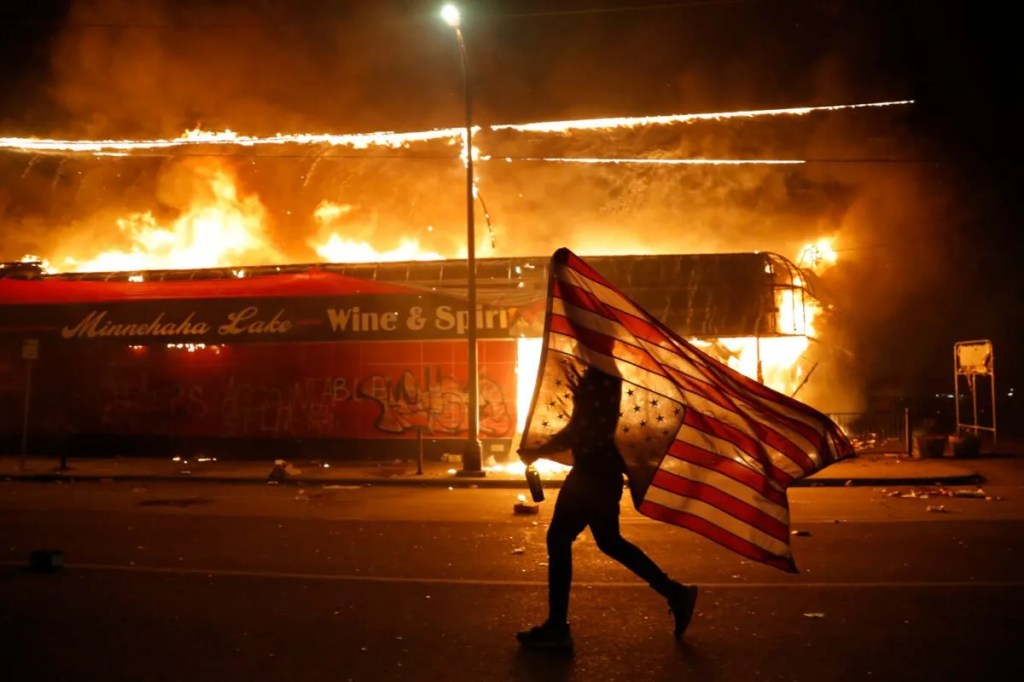
Step outside anywhere in America right now and you can sense it—that tense, unspoken energy, like the country is holding its breath. The headlines are relentless, the mood is brittle, and the sense of safety that used to be our birthright feels like it’s slipping through our fingers. We’ve been here before, or so it seems. But this time it’s different because it’s us, it’s now, and the fire is real.
Trump’s Second Term: Orders, Bans, and Unrest
Donald Trump is back in the White House, and if you thought his first run was a whirlwind, his second term has been a full-force gale. Since December, the pace of executive action has been staggering: more than 240 executive orders, 57 memoranda, and 126 proclamations in just over a year. The government feels like it’s being run by decree. The old checks and balances? They seem like a distant memory.
The focus on immigration has reached a fever pitch. Trump’s administration has hired 12,000 new ICE agents since January, swelling the ranks by 120%. The message is clear: enforcement comes first, and no one is untouchable. Stories are everywhere—families split apart in raids, children left behind at schools, legal immigrants suddenly facing scrutiny for paperwork errors.
It isn’t just about who gets to stay or go. It’s about how much fear people can live with, how much suspicion can be sown in a neighborhood before it turns neighbor against neighbor. The president calls it “historic,” and it is—but not in the way we’d hoped.
Minneapolis: The Tragedy of Renee Good and Alex Pretti
Nothing brings the chaos of this moment home like what happened in Minneapolis this January. Renee Nicole Good—a mother, a neighbor, a U.S. citizen—was shot and killed by an ICE officer on January 7, 2026. The details remain murky, but what’s clear is that her death set off a chain reaction of anger, grief, and protest that hasn’t let up. Less than three weeks later, federal agents shot and killed Alex Pretti, another Minneapolis resident, during demonstrations sparked by Renee’s death.
Pretti, a Veteran Affairs nurse and a well-known community organizer, was protesting what he called “the normalization of violence by the state.” His father told reporters that Alex knew things could get ugly but felt he had no choice but to stand up after Renee’s killing. The Department of Justice has launched a civil rights investigation, but for many in Minneapolis, the damage is done, and the trust is broken.
The fallout has been ugly. When asked if ICE would apologize to the families of Renee Good and Alex Pretti for labeling them “domestic terrorists,” the acting ICE director refused. For people on the ground, these incidents are not isolated—they’re proof that the flames of fear and suspicion are burning hottest in the places that can least afford to lose hope.
In Minneapolis, the streets are still filled with grief and anger. Renee and Alex have become symbols, not just of what’s gone wrong, but of what could happen next if we don’t put out the fire.
The New Travel Ban: America’s Doors Slam Shut
December 16, 2025, brought another seismic shift: the expansion of the U.S. travel ban. Countries added, restrictions tightened, and the promise of America—the idea that here, at least, you could find refuge or opportunity—got smaller and meaner overnight.
Airports are tense. Families wait, sometimes for days, for news of loved ones detained, turned away, or stranded after years of building a life here. The logic from the White House is “national security,” but for those on the ground, it feels like collective punishment. The stories pile up: grandparents who can’t visit for a funeral, students stuck outside the country just as semesters begin, families splintered by a line drawn on a map.
It’s not just the people directly affected. The ban has become a symbol—a signal that belonging is conditional, that rights can be revoked, that safety is for some and not for others.
Fear as Policy: Emergencies Everywhere
Every week, it seems, there’s a new “emergency.” On February 6, 2026, President Trump signed an executive order extending the national emergency over Iran. In December, he declared that artificial intelligence required its own sweeping national framework. Even beef prices are being touted as a matter of national security.
It’s a strategy that works—at least if your goal is to keep the country constantly on edge. When everything is urgent, nothing is stable. The news cycle is a treadmill of threats, and the public is too exhausted to keep up, let alone resist.
Meanwhile, the basics of governance barely get a headline. Congress scrambled to fund federal agencies for 2026, but the specter of shutdowns and brinkmanship is always just around the corner. Even the things that should be routine feel precarious.
Public Opinion: A Country Divided Against Itself
Polls tell a story of a nation deeply uneasy. Over half of Americans—54%—say Trump has simply gone too far with his immigration crackdown, and 52% believe legal immigration itself is being restricted beyond reason. But the outcry seems to disappear into the void. The administration marches on, powered by anger, grievance, and a base that wants to see the world remade in its image.
The rest of us? We argue at the dinner table. We whisper in grocery store aisles. We check the locks twice at night and wonder if the country we grew up in is still there when we wake up.
Echoes of the Past: Have We Learned Nothing?
You don’t have to be a historian to spot the parallels. The burning of the Reichstag, the internment camps of World War II, the Red Scare, the slow, suffocating spread of suspicion and fear—these are not distant memories. They are warnings, written in the margins of our own story.
Back then, people told themselves it couldn’t happen here. They watched the fires from a distance, convinced the flames would never reach their door. It’s different when it’s your neighbor, your coworker, your kid’s best friend’s family. It’s different when the knock on the door comes at 3 a.m., and the law says you have to open it.
America on Fire—And the Choice We Face
Maybe there are no literal flames yet, but the country is burning in other ways. The heat is in the rising anger, the everyday cruelty, the way collective trauma seeps into every conversation. We’re fighting each other more than ever—on the street, online, in the places where we used to meet as equals.
And the fire spreads because it’s easier to stoke fear than to practice empathy, easier to divide than to unite, easier to follow orders than to stand up. Trump didn’t invent this fire, but he’s fanning it, and the blaze is out of control.
Will it be enough to bring us to our senses? Or will we let the flames run wild until nothing is left but the charred remains of what we once called home?
Wake Up—Before It’s Too Late
We’re living through history, but it doesn’t feel noble or grand. It feels desperate, confused, and angry. The ghosts of history are here, rattling the windows, warning us to pay attention before it’s too late.
America is on fire. The question is: who will have the courage to put it out?
Wake up, America. The ghosts are watching, and so is the future.


Leave a Reply