

Complex Post-Traumatic Stress Disorder (C-PTSD) is a condition that can result from prolonged exposure to traumatic events, often involving interpersonal trauma, such as childhood abuse or neglect. While awareness and understanding of C-PTSD have improved over the years, there are still several misconceptions associated with this condition. Here are the top five stigmas over Complex PTSD
“It’s not a real disorder”:
One common stigma is the belief that C-PTSD is not a mental health disorder. Some people may perceive it as simply a case of being overly sensitive or emotional. However, C-PTSD is recognized by mental health professionals and is included in diagnostic criteria such as the ICD-11 (International Classification of Diseases, 11th edition).
“You should have just moved on”:
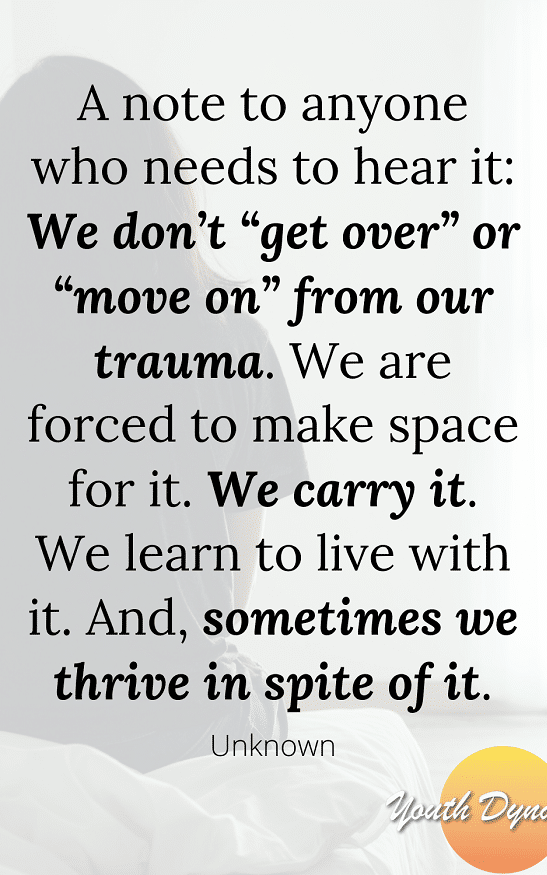
Another misconception is that individuals with C-PTSD should have been able to “get over” their past traumas or childhood experiences by now. This oversimplification of the healing process disregards the complex nature of trauma and the lasting impact it can have on a person’s mental and emotional well-being.
“It’s a sign of weakness”:
Stigmatizing beliefs often equate mental health challenges, including C-PTSD, with weakness or lack of resilience. This harmful stereotype can discourage individuals from seeking help or acknowledging their own suffering, leading to increased isolation and distress.
“You’re just seeking attention”:
Some individuals with C-PTSD may face accusations of exaggerating their symptoms or seeking attention when they discuss their struggles. This stigma can deter people from opening up about their experiences and seeking the support they need.
“It’s the same as regular PTSD”:
C-PTSD is distinct from Post-Traumatic Stress Disorder (PTSD) in several ways. While both involve exposure to trauma, C-PTSD typically results from prolonged and repeated trauma, often in a relational context. It has a broader range of symptoms, including disturbances in self-identity and interpersonal functioning, which may not be as prominent in PTSD. Misunderstanding this difference can lead to inadequate treatment and support for those with C-PTSD.
Challenging these stigmas and promoting understanding and empathy for individuals with Complex PTSD is crucial for creating a more supportive and inclusive environment for those who are coping with the effects of prolonged trauma. Education and awareness can play a significant role in breaking down these misconceptions and fostering a more compassionate society.


Leave a Reply