
Introduction
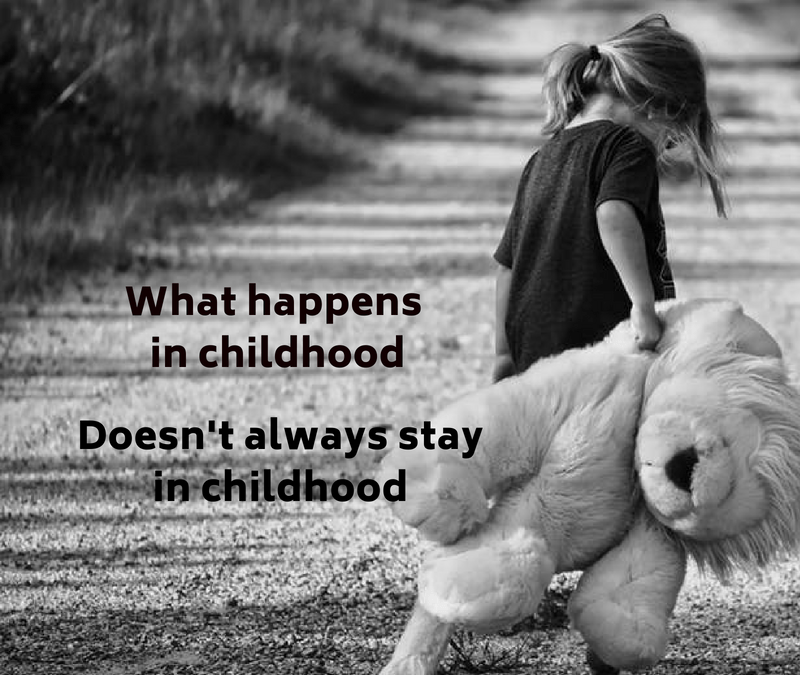
Childhood trauma has profound and long-lasting effects on individuals, affecting their emotional, physical, and psychological well-being. Fortunately, there are effective therapies and techniques available to help survivors heal and reclaim their lives. This blog explores the various approaches used in therapy to address childhood trauma, including evidence-based modalities such as Cognitive Behavioral Therapy (CBT), Eye Movement Desensitization and Reprocessing (EMDR), and Dialectical Behavior Therapy (DBT). Whether you are a survivor or a mental health professional seeking to expand your knowledge, this blog offers valuable insights into healing from childhood trauma.
Understanding the impact of childhood trauma
Understanding the impact of childhood trauma is crucial in the healing process. The effects of trauma can manifest in different ways, depending on the individual’s unique experiences and coping mechanisms. It is important to recognize that trauma can affect not only mental and emotional well-being but also physical health. Many survivors may struggle with symptoms such as anxiety, depression, flashbacks, nightmares, and even physical ailments like chronic pain or autoimmune disorders.
Furthermore, it is essential to understand that trauma can also impact one’s relationships, self-esteem, and overall quality of life. It can create difficulties in forming and maintaining healthy connections with others, leading to feelings of isolation and loneliness. Additionally, survivors may battle with a negative self-image and struggle with self-compassion.
By gaining a deeper understanding of these challenges, both survivors and mental health professionals can implement targeted therapies and techniques to address the specific needs of those healing from childhood trauma. In the following sections, we will explore some effective therapies and techniques that can aid in the healing process by targeting these various areas of impact.
Exploring different therapy options
The journey of healing from childhood trauma often involves seeking professional help and exploring different therapy options. There are several effective therapies and techniques available that can provide support and guidance for survivors.
One common therapy approach is Cognitive Behavioral Therapy (CBT), which focuses on identifying and changing negative thought patterns and behaviors. CBT can help survivors develop healthy coping strategies and address the underlying beliefs and emotions associated with their trauma.
Another therapy option is Eye Movement Desensitization and Reprocessing (EMDR), which uses eye movements or other forms of bilateral stimulation to help process traumatic memories and reduce associated distress. EMDR has shown promising results in helping survivors heal from trauma and alleviate symptoms such as flashbacks and nightmares.
Other therapy approaches that can be beneficial include mindfulness-based therapies, art therapy, play therapy, and somatic experiencing. Each of these therapies offers unique tools and techniques to help survivors express and process their trauma in a safe and supportive environment.
Cognitive Behavioral Therapy (CBT) for healing
Cognitive Behavioral Therapy (CBT) is a widely recognized and effective therapy approach for healing from childhood trauma. This therapy focuses on identifying and changing negative thought patterns and behaviors that have developed as a result of the trauma.
In CBT, survivors work closely with a therapist to gain a deeper understanding of their thought patterns and develop healthy coping strategies. By challenging and replacing negative thoughts and behaviors with more positive and adaptive ones, CBT helps survivors regain a sense of control over their lives.
Through the therapeutic process, survivors are encouraged to explore the underlying beliefs and emotions associated with their trauma. This often involves addressing feelings of guilt, shame, and self-blame that may have developed as a result of the trauma. By challenging these distorted beliefs, survivors can begin to reframe their experiences and cultivate a more positive and compassionate outlook on themselves.
CBT also equips survivors with practical tools and techniques to manage distressing symptoms such as anxiety and depression. This may include relaxation techniques, breathing exercises, and mindfulness practices. By learning these skills, survivors can better regulate their emotions and reduce the impact of triggering events.
Overall, CBT provides survivors with a structured and goal-oriented approach to healing. By addressing negative thoughts and behaviors and cultivating healthy coping strategies, survivors can experience significant improvements in their emotional well-being and overall quality of life.
Eye Movement Desensitization and Reprocessing (EMDR) therapy
Eye Movement Desensitization and Reprocessing (EMDR) therapy is another effective therapy option for healing from childhood trauma. Developed by psychologist Francine Shapiro in the late 1980s, EMDR has gained recognition as an evidence-based therapy for trauma-related disorders.
EMDR therapy involves a structured and phased approach that combines elements of cognitive therapy, exposure therapy, and bilateral stimulation. Through a process of eye movements, tapping, or auditory stimulation, survivors are guided to reprocess traumatic memories and reduce the distress associated with them.
During EMDR sessions, survivors focus on specific traumatic memories while simultaneously engaging in bilateral stimulation. This process allows the brain to reprocess the memory in a more adaptive and less distressing way, ultimately leading to a reduction in trauma symptoms.
Research has shown that EMDR therapy can be particularly effective in treating post-traumatic stress disorder (PTSD) and other trauma-related disorders. Survivors often report a significant reduction in symptoms such as flashbacks, nightmares, and hypervigilance after completing EMDR therapy.
Dialectical Behavior Therapy (DBT) as a tool for recovery
Dialectical Behavior Therapy (DBT) is another powerful tool for healing from childhood trauma. Developed by psychologist Marsha Linehan, DBT combines elements of cognitive-behavioral therapy with mindfulness techniques to promote emotional regulation and interpersonal effectiveness.
DBT focuses on four main areas: mindfulness, distress tolerance, emotion regulation, and interpersonal effectiveness. These skills are taught in both individual therapy sessions and group skills training sessions, providing survivors with practical tools to manage their emotions and navigate difficult situations.
One of the unique aspects of DBT is its emphasis on validation. Survivors of childhood trauma often struggle with feelings of invalidation and shame. In DBT, therapists work to validate survivors’ experiences and emotions, creating a safe and non-judgmental space for healing.
The effectiveness of DBT in treating trauma-related disorders has been well-documented. Studies have shown that DBT can help survivors reduce self-destructive behaviors, manage overwhelming emotions, and improve their overall quality of life.
The benefits of group therapy
Group therapy is another beneficial aspect of healing from childhood trauma. While individual therapy sessions provide a safe space for survivors to explore their own experiences, group therapy offers a unique opportunity for connection and support.
When survivors come together in a group setting, they can share their stories, validate each other’s experiences, and offer empathy and understanding. This sense of community can be immensely powerful in the healing process.
Group therapy also provides a space for survivors to practice the skills they learn in individual therapy or DBT. They can receive feedback from others, learn from different perspectives, and develop new coping strategies by observing how others navigate similar challenges.
Additionally, group therapy offers a sense of belonging and reduces feelings of isolation that often accompany childhood trauma. Being able to connect with others who have had similar experiences can be profoundly comforting.
Self-care techniques for healing from childhood trauma
In addition to therapy, self-care techniques play a crucial role in healing from childhood trauma. Taking care of oneself is not only important for physical well-being, but it is also essential for mental and emotional healing.
One effective self-care technique is establishing a daily routine. Creating structure and consistency can help survivors feel a sense of stability and control in their lives. This routine can include activities such as exercise, meditation or mindfulness practices, journaling, and engaging in hobbies or creative outlets. Engaging in activities that bring joy and relaxation can help reduce stress levels and promote a sense of well-being.
Another self-care technique is prioritizing self-compassion and self-acceptance. Survivors often carry shame and blame related to their trauma. Practicing self-compassion involves treating oneself with kindness, understanding, and forgiveness. It involves recognizing that the trauma was not their fault and that they deserve love and care. Building a positive self-image and developing self-esteem are crucial aspects of the healing journey.
Making progress and moving forward
One essential aspect of healing from childhood trauma is acknowledging the progress made and focusing on moving forward. It is easy for survivors to get caught up in the pain and the past, but it is essential to remember that healing is a journey with ups and downs.
One effective technique to track progress is keeping a journal. By regularly writing down thoughts, feelings, and experiences, survivors can reflect on how far they have come. Celebrating milestones, big or small, can provide a sense of accomplishment and motivation to keep going.
Moving forward also involves setting goals for the future. These goals can be personal, professional, or relational, and they should be realistic and achievable. Making a plan and taking small steps towards these goals can provide a sense of purpose and direction in life after trauma.
Conclusion: Seeking professional help for healing
Seeking professional help is an important step in the healing process from childhood trauma. While self-help techniques and support systems can provide valuable support, trained therapists and counselors can offer specialized knowledge and expertise.
Therapy can provide a safe and confidential space for survivors to explore their trauma, process their emotions, and develop coping mechanisms. Therapists can guide survivors through evidence-based techniques such as cognitive-behavioral therapy (CBT), eye movement desensitization and reprocessing (EMDR), and dialectical behavior therapy (DBT), which have proven effective in healing trauma.
A therapist can also help survivors identify and challenge negative thought patterns, develop healthy self-care practices, and navigate relationship difficulties that may arise as a result of childhood trauma.


Leave a Reply