
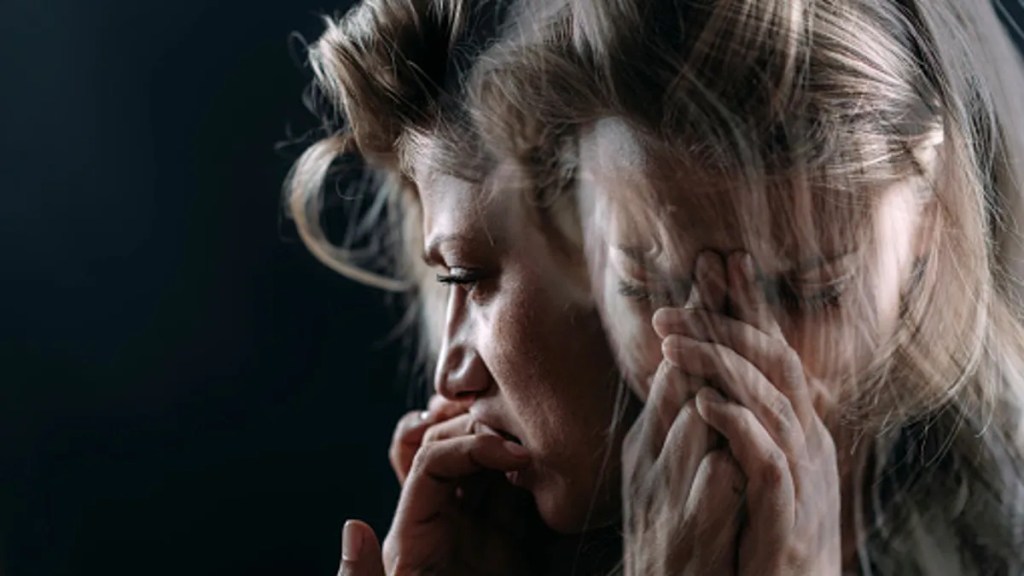
1. Introduction: The hidden sorrow that comes with trauma
Trauma is a silent destroyer, a vicious force that shatters lives and leaves behind a trail of brokenness. It is an untold truth that too often goes unnoticed, trivialized or misunderstood. The impact of trauma is devastating, affecting not only the individuals who have experienced it but also their families, communities, and society as a whole. I want to explore its hidden consequences, and shed light on the urgent need for compassion, understanding, and support for those who have been affected.
2. The deep-rooted impact of trauma on individuals
Trauma has left deep-rooted scars that penetrate the very core of my being. It has seeped into my soul, altering my perception of the world and leaving me forever changed. The impact of trauma is profound and far-reaching, manifesting in various ways that are often hidden from the naked eye.
One of the most devastating effects of trauma is the erosion of my self-worth. I am plagued by feelings of guilt, shame, and unworthiness. I blame myself for the pain I have endured, believing I am inherently flawed. This self-deprecation is my constant companion, suffocating any semblance of self-love or acceptance.
Additionally, trauma breeds a profound sense of isolation. I often withdraw from social interactions, fearing judgement or rejection. I became trapped in a cycle of loneliness, unable to trust others or form meaningful connections. The world has become a hostile and dangerous place, devoid of safety and support.
Moreover, trauma has invaded every aspect of my life. It infiltrates my thoughts, haunting my mind with intrusive memories and flashbacks. Sleep is elusive, as nightmares and night terrors plague my nights. Concentration is a distant memory, as my mind is constantly preoccupied with the pain of the past.
Ultimately, the impact of trauma extends beyond me. It rippled out, affecting my relationships, my work, and my ability to function in society. I struggle to maintain healthy connections, often pushing loved ones away or sabotaging relationships out of fear. I find it challenging to hold down a job or pursue my dreams, as the weight of my trauma has become an insurmountable obstacle.
The impact of trauma runs deep and its consequences are far-reaching. It is a silent destroyer that leaves behind a path of brokenness. People need to recognize the profound toll that trauma takes on a person and strive to provide them with the compassion, understanding, and support they desperately need.
3. The ripple effect: Trauma’s devastation on relationships and families
The devastating impact of trauma has extended far beyond me. It seeps into every corner of my life, casting a dark shadow over my relationships and family. The ripple effect of trauma is felt by those closest to me, leaving a trail of destruction in its wake.
Relationships are often the first casualties of trauma. My struggle with trust and intimacy makes it difficult to form and maintain healthy connections. I push loved ones away, fearing that I will be hurt or abandoned once again. The walls I have built around myself create a barrier between me and my loved ones, preventing genuine emotional connection.
My family, too, bears the weight of trauma. The dynamic within the family unit is altered as my pain infiltrates every interaction. Communication becomes strained, as I find it challenging to express my emotions or engage in meaningful conversations. My loved ones, in turn, struggle to understand and support me, leading to feelings of frustration and helplessness.
The ripple effect of trauma is not limited to immediate family members but extends to the wider community as well. I struggle to fit into societal norms and expectations, which has led to social isolation and exclusion. The community, too, shy’s away from discussing or addressing trauma, perpetuating my cycle of pain and suffering.
4. Society’s ignorance: The untold truth about trauma
The untold truth about trauma is often rooted in society’s ignorance and lack of understanding. I am often met with disbelief, skepticism, and blame when I share my experiences. Society fails to recognize that trauma is not a choice and that the effects go far beyond me.
By denying the reality of trauma, society perpetuates a culture of silence and stigma. I am left feeling invalidated and isolated, as my experiences are dismissed or minimized. This lack of understanding further deepens my wounds and makes the healing process even more challenging.
5. Seeking healing: The long and difficult journey towards recovery
Imagine waking up every morning with a heavy burden weighing down your soul. The weight of unseen scars and haunting memories becomes your constant companion, a reminder of the traumatic events that have forever changed your life. Seeking healing becomes a long and difficult journey with no quick fixes or easy solutions.
Recovery is not a linear path. It is an arduous process of navigating through layers of pain, fear, and vulnerability. It requires confronting the darkest corners of my mind and daring to let go of the pain that has consumed me for so long.
But oftentimes, society fails to grasp the complexities of this journey. The expectation to simply “get over it” or “move on” only adds to my anguish. It invalidates my experiences and minimizes the immense courage it takes to confront my trauma head-on.
Healing requires patience and understanding from both the myself and those around me. It demands a safe space for me to express my emotions, whether it is through therapy, support groups, or creative outlets. It involves learning coping mechanisms to navigate triggers and flashbacks that can abruptly transport me back to my darkest moments.
It is a journey of self-discovery, as I learn to redefine my identity beyond the trauma that once defined me. It is about reclaiming my power, my voice, and my agency.
Yet, the road to recovery is often marred with setbacks. Flashbacks and nightmares may resurface, triggering anxiety and depression. It can feel like taking one step forward and three steps back. But amidst the hardships, I find strength within myself.
6. Support: The lifeline for those affected by trauma
Support is not just a luxury, but a lifeline. It is the savior in the darkness, the bridge that connects the shattered pieces of my soul. Without support, the journey towards healing can feel like an impossible task, perpetuating a cycle of isolation and despair.
Having someone who understands, who listens without judgment, can make all the difference. It is in these moments of vulnerability that I need the steady presence of a compassionate companion, someone who can hold my hand and remind me that I am not alone.
But sadly, I don’t have access to the support I desperately need. Limited resources, societal stigma, and lack of awareness create barriers that are hard to overcome. This leaves me trapped in a cycle of pain and silence, unable to find the lifeline that could pull me towards healing.
7. A call to action: Breaking the silence and raising awareness
It is time to break the silence surrounding trauma and raise awareness about its devastating impact. Too often, survivors suffer in silence, burdened by shame and stigma. It is your responsibility to speak up and challenge the misconceptions surrounding trauma.
You can start by educating yourselves and others about the effects of trauma. Understanding that it is not a weakness or a choice, but a result of overwhelming experiences, is crucial. By sharing accurate information and dispelling myths, you can create a society that is empathetic and supportive.
Another important step is to encourage open conversations about trauma. By breaking down the walls of silence, you allow survivors to share their stories and reclaim their voices. It is through these stories that you can understand the magnitude of the problem and work towards solutions.
Additionally, supporting organizations and initiatives that focus on trauma recovery is vital. By donating your time, money, or resources, you can help extend the reach of support systems and make them accessible to all. You can ensure that survivors are not left to face their pain alone.
Trauma is a silent epidemic that affects countless lives. It is time to shine a light on its dark corners and rewrite the narrative surrounding it. Be the catalysts for change and create a world where the devastating impact of trauma is acknowledged, understood, and met with compassion. You can make a difference and bring hope to those who have suffered for far too long.
8. Conclusion: Unmasking the devastating truth of trauma
The devastating impact of trauma remains hidden behind closed doors, often concealed by a society that shies away from discomforting realities. But in order to break free from its grip, you must acknowledge the untold truth about trauma and confront it head-on.
I carry scars that are not visible to the naked eye. My pain, my struggles, my shattered sense of self – all of these are part of a silent battle that I face every day. It is a battle against memories that haunt, emotions that overwhelm, and a sense of safety that has been irreparably shattered.
The devastating truth is that trauma has left its mark on every aspect of my life. It affects my relationships, my ability to trust, and my overall well-being. It is a constant reminder of the past, a shadow that is difficult to escape. And yet, society often turns a blind eye, reducing my pain to mere whispers in the wind.
It is time to unmask the truth and give voice to those who have been silenced for far too long. By spreading awareness and challenging the misconceptions surrounding trauma, you can create an environment of understanding and empathy that is so desperately needed.
But it doesn’t stop there. You need to take action. You must be willing to listen and learn from the stories of survivors, even when it is uncomfortable. You must support organizations that provide trauma-informed care and advocate for policy changes that prioritize mental health services.


Leave a Reply