
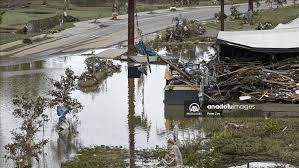
In a turn of events that has left communities reeling, Hurricane Helene has carved a path of destruction through East Tennessee, transforming beloved local hangouts and entire towns into disaster zones overnight. This unprecedented storm has not only shattered weather records but also long-held beliefs about the region’s immunity to such catastrophes.
When the Impossible Becomes Reality
East Tennessee, nestled in the Appalachian Mountains and far from any coastline, has long considered itself safe from the ravages of hurricanes. This sense of security, deeply ingrained in the local psyche, proved to be a dangerous illusion as Hurricane Helene approached.
Despite urgent warnings from meteorologists and emergency management officials, many residents and local authorities didn’t take the threat seriously. The concept of a hurricane wreaking havoc in their landlocked state seemed almost laughable to most East Tennesseans. Residents often joked about the impossibility of hurricane warnings in their area, viewing them as exaggerations or mistakes.
This collective disbelief stemmed from several factors:
- Geographic Complacency: The region’s distance from the coast and its hilly terrain were seen as natural defenses against hurricanes and major flooding.
- Lack of Historical Precedent: With no living memory of such an event, it was difficult for people to conceive of the potential danger.
- Misunderstanding of Hurricane Impacts: Many associated hurricanes solely with wind damage, underestimating the threat of inland flooding.
- Absence of Hurricane Culture: Unlike coastal areas, East Tennessee had no ingrained culture of hurricane preparedness, leaving residents unsure of how to respond.
As a result, when Hurricane Helene bore down on the region, bringing with it unprecedented rainfall, many communities were woefully unprepared for what was to come.
The Perfect Storm: Relentless Rain and Failing Infrastructure
Hurricane Helene proved to be a meteorological anomaly, gathering an extraordinary amount of moisture before making landfall. Climate change likely played a role in intensifying the storm, contributing to its unusual inland reach and ferocity.
However, the true catalyst for the widespread devastation was not just the hurricane itself, but the catastrophic failure of local dams. As relentless rain pounded the region, several key dams reached their breaking point, unable to withstand the immense pressure of swollen rivers and reservoirs.
The collapse of these critical infrastructure elements created a domino effect that amplified the destruction far beyond what the hurricane alone might have caused:
- Sudden Release of Floodwaters: When the dams failed, they released massive volumes of water all at once, creating a wall of water that swept through downstream communities with little to no warning.
- Overwhelmed Flood Defenses: The sheer volume and speed of the water released by the failed dams overwhelmed existing flood defenses, rendering them ineffective.
- Expanded Flood Zones: Areas that were previously considered safe from flooding suddenly found themselves inundated, catching residents and emergency services off guard.
- Debris Flow: The dam failures not only released water but also large amounts of debris, which caused additional damage and complicated rescue efforts.
- Long-term Environmental Impact: The sudden release of sediment and pollutants trapped behind the dams has created long-term environmental challenges for the affected watersheds.
A Community in Crisis
The aftermath of Hurricane Helene has left East Tennessee grappling with a level of destruction that surpasses any recent weather event in the region. Entire towns have been “wiped off the map,” with at least 128 confirmed fatalities and many more still missing.
Survivors are struggling to access basic necessities like food and water, highlighting the critical role of non-profits and charities in providing immediate aid. The widespread devastation has posed significant challenges for distribution of supplies, leaving many communities isolated and in desperate need.
Amidst the heartbreak, stories of survival, heroism, and hope have emerged. Local residents, first responders, and community members have displayed remarkable courage and resilience in the face of adversity. One particularly harrowing account involves the dramatic rescue of a woman from a local hospital as floodwaters rose rapidly, underscoring both the dangers faced and the bravery of those involved in rescue efforts.
Moving Forward: Questions and Rebuilding
As the immediate crisis response transitions into long-term recovery efforts, serious questions have emerged about the region’s preparedness and infrastructure:
- Dam Safety: The failure of multiple dams has raised concerns about the maintenance and safety protocols of these critical structures.
- Emergency Response: The effectiveness of warning systems and evacuation procedures is under scrutiny.
- Climate Adaptation: There’s a growing recognition of the need to prepare for more frequent and intense weather events, even in areas traditionally considered low-risk.
- Infrastructure Resilience: The disaster has highlighted the importance of building and maintaining infrastructure that can withstand extreme weather events.
For those affected by Hurricane Helene, various government aid programs and support from local organizations are available. Those looking to contribute to recovery efforts can donate to reputable organizations or volunteer their time to assist in rebuilding efforts.
As East Tennessee begins the long process of recovery and rebuilding, the resilience and unity of its communities shine through. The road ahead will be challenging, but with continued support and a newfound awareness of the risks posed by changing weather patterns, these affected areas will rise again, stronger and better prepared for the future.
This catastrophe serves as a stark reminder that in an era of changing climate, no region can afford to be complacent about natural disasters. The lessons learned from Hurricane Helene will undoubtedly reshape how inland areas prepare for and respond to extreme weather events in the years to come.


Leave a Reply